US-Saudi Nuclear Deal Raises Proliferation Concerns Amid Weakening Safeguards
The recent US-Saudi nuclear agreement may pave the way for Saudi uranium enrichment, raising fears of a nuclear arms race in the Middle East.
US-Saudi Nuclear Deal Raises Proliferation Concerns Amid Weakening Safeguards
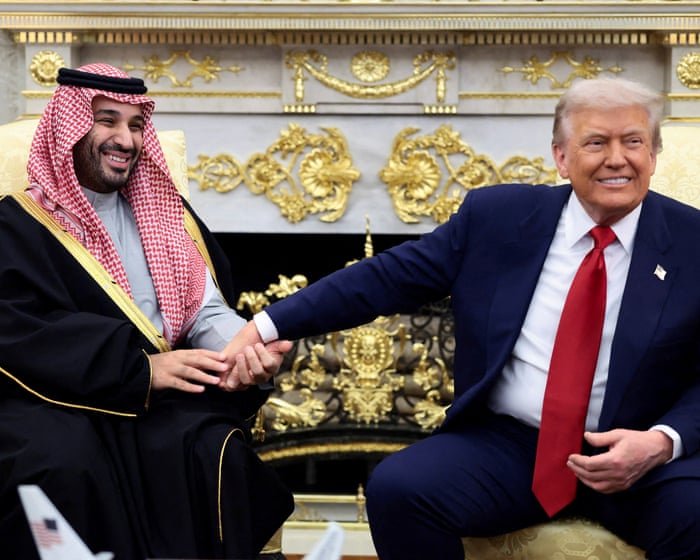
The United States has signed a controversial nuclear agreement with Saudi Arabia, potentially allowing the kingdom to enrich uranium and evade full inspections by international watchdogs. This deal not only undermines existing nuclear safeguards but also raises alarming prospects for nuclear proliferation in the Middle East, especially if Iran develops its own nuclear arsenal.
Critics argue that this agreement represents a dangerous double standard, contradicting previous commitments to limit nuclear capabilities in the region. Experts warn that the deal could embolden Saudi Arabia’s crown prince, Mohammed bin Salman, who has openly stated that if Iran acquires nuclear weapons, Saudi Arabia will follow suit.
Moreover, this move could set a troubling precedent, weakening the standards established by the United Arab Emirates' nuclear agreement, which committed to forgo enrichment entirely. Such a shift may inspire nations like Russia and China to demand similar concessions in their own nuclear negotiations.
As reported by The Guardian, the implications of this agreement could extend far beyond the Middle East, inviting challenges to global nuclear non-proliferation efforts. Citizens and leaders alike must question: what accountability measures are in place to prevent a nuclear arms race, and who will hold the government responsible for this risky deal?
Source: The Guardian US