A Maritime Crisis: U.S. Military Actions Raise Questions on Global Trade and Accountability
The U.S. military's aggressive stance in protecting maritime routes raises crucial questions about the true motives behind these actions and their implications for global trade.
A Maritime Crisis: U.S. Military Actions Raise Questions on Global Trade and Accountability
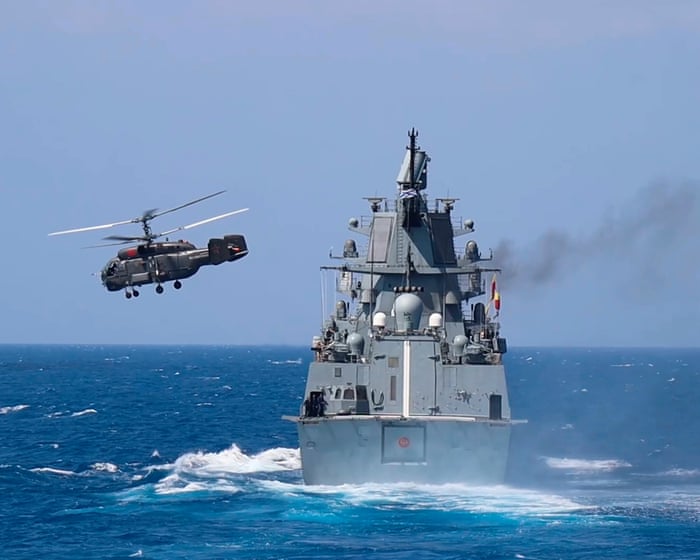
As tensions escalate across international waters, the U.S. military campaign to safeguard merchant shipping from Iranian attacks in the Strait of Hormuz highlights a troubling trend in maritime governance. This strategy, echoing historical precedents from the early 19th century, appears to prioritize American trade interests over global cooperation and stability.
The parallels drawn to the actions of Commodore John Rodgers, who sought to protect U.S. commerce from pirates without aiding the local struggle for independence, reveal a pattern of self-serving interventions. Critics question whether the current administration's focus on direct military control is genuinely about protecting commerce or simply a means to assert dominance in a contested region.
With the stakes extending beyond oil prices to the very framework of international relations, citizens are left wondering: What accountability do our leaders face for decisions that impact global markets and security? The implications of these military maneuvers demand scrutiny and transparency, as the foundations of a rules-based order appear to crumble under the weight of national interests.
As reported by The Guardian, the reckless pursuit of this maritime strategy raises critical concerns about the future of global trade and the responsibilities of those in power to maintain peace and order on the high seas.
Source: The Guardian US