Rare Dinosaur Skeleton Fetches $47.3 Million: Who Benefits from This Fossil Frenzy?
The Nanotyrannus skeleton, named 'Jodi', sold for a staggering $47.3 million at Sotheby's, raising questions about value and access to scientific treasures.
Rare Dinosaur Skeleton Fetches $47.3 Million: Who Benefits from This Fossil Frenzy?
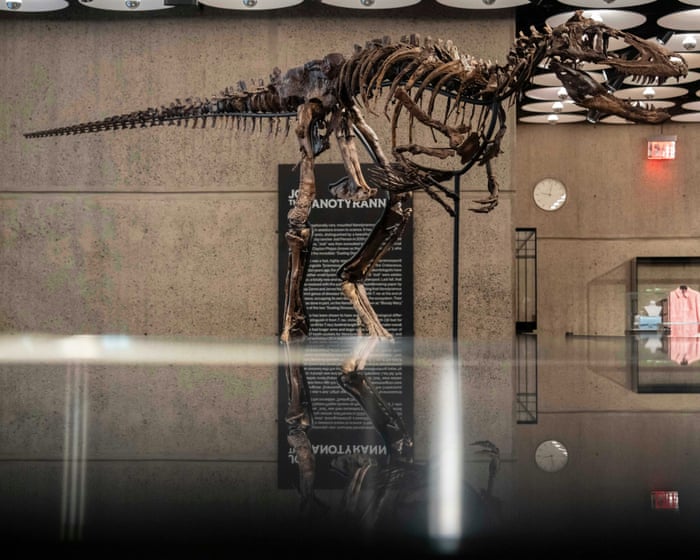
A rare Nanotyrannus skeleton, affectionately named "Jodi" after its discoverer, has become the second most valuable dinosaur ever sold at auction, fetching an astonishing $47.3 million at Sotheby's in New York. This twelve-minute bidding war featured six eager participants, showcasing the fossil's immense market appeal.
However, as the auction spotlight shines on this ancient relic, questions arise about who truly benefits from such astronomical sales. With the rising prices of fossils, how accessible are these scientific treasures to researchers and institutions dedicated to education and public knowledge?
As reported by The Guardian, the sale of Jodi underscores a growing concern regarding the commercialization of natural history. Are we prioritizing profit over preservation? In an era where science faces funding challenges, the auction’s outcome could steer crucial resources away from important research and education initiatives.
The public deserves accountability regarding how such valuable specimens are managed and shared with the community. Will sales like this one enhance public understanding of our planet's history, or will they remain exclusive to the wealthy collectors? The dialogue must continue to ensure that these precious remnants of our past serve the greater good.
Source: The Guardian US