Israeli Election Sparks Political Tug-of-War Amid Calls for Change
With no clear winner in the Israeli elections, both Netanyahu and opposition leader Eisenkot vie for power, while Palestinian representation rises in a historic turnout.
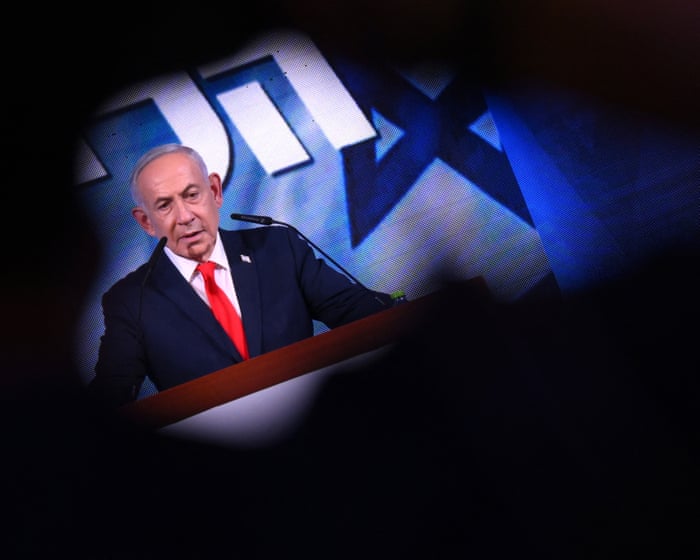
Israeli Election Sparks Political Tug-of-War Amid Calls for Change
As Israel faces a political stalemate following its recent elections, citizens are left questioning the future of their leadership. Exit polls and partial results indicate that neither Prime Minister Benjamin Netanyahu's coalition nor the opposition led by Gadi Eisenkot secured enough seats to form a government, leaving the nation in a state of uncertainty.
With about 70% of the votes counted, Netanyahu's bloc holds 54 seats, while Eisenkot's Change bloc has 47, and Palestinian parties command 19 seats. A total of 61 seats is required for a majority. In response to the results, Netanyahu expressed his intent to forge a coalition with far-right factions and Jewish religious parties, while Eisenkot argued that the election results signal a demand for change, suggesting Netanyahu should step down.
Notably, this election saw a significant increase in voter turnout among Israeli citizens of Palestinian origin, marking a pivotal moment for this historically marginalized group. As reported by The Guardian, the implications of these results could reshape the political landscape in Israel, raising questions about representation and accountability for all citizens, particularly those from minority backgrounds.
Source: The Guardian US