How Ice Cream Prices Reveal the Hidden Costs of Recessions
This year's Nobel Prize in Economics sheds light on the sticky prices that exacerbate recessions and the implications for policy-making.
How Ice Cream Prices Reveal the Hidden Costs of Recessions
The Sticky Price Phenomenon
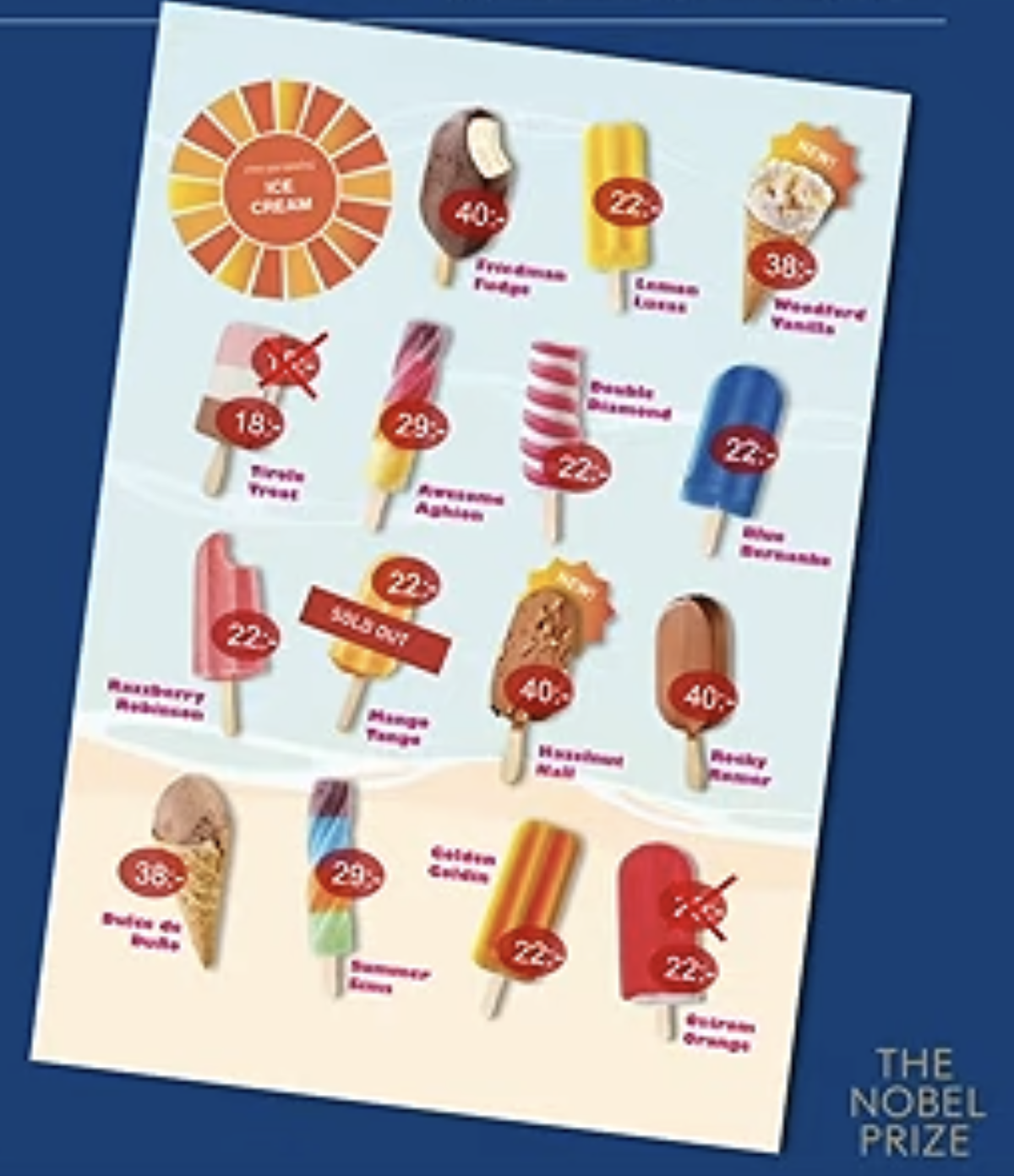
The recent Nobel Prize in Economics highlights the complex relationship between consumer goods, like ice cream, and economic downturns. As reported by NPR, the concept of sticky prices—where prices do not adjust quickly to changes in the market—can significantly worsen the impact of recessions on ordinary citizens.
Policymakers face critical questions: How can they effectively respond to these price rigidities? What measures can be taken to alleviate the financial burden on struggling families during economic crises? Understanding these dynamics is essential for creating effective economic policies that prioritize the welfare of the people.
This exploration into the economics of everyday goods serves as a reminder of the need for accountability in government actions and economic strategies. As we face future economic challenges, these insights could shape the way we address inequality and public welfare in times of crisis.
Source: NPR