Jantar Mantar's Legacy at Stake: Is Delhi's Protest Hub Facing Its Final Hours?
Jantar Mantar, Delhi's historic protest site since 1724, faces scrutiny from the Supreme Court and government curbs on protests. Who is accountable for its uncertain future?
Jantar Mantar's Legacy at Stake: Is Delhi's Protest Hub Facing Its Final Hours?
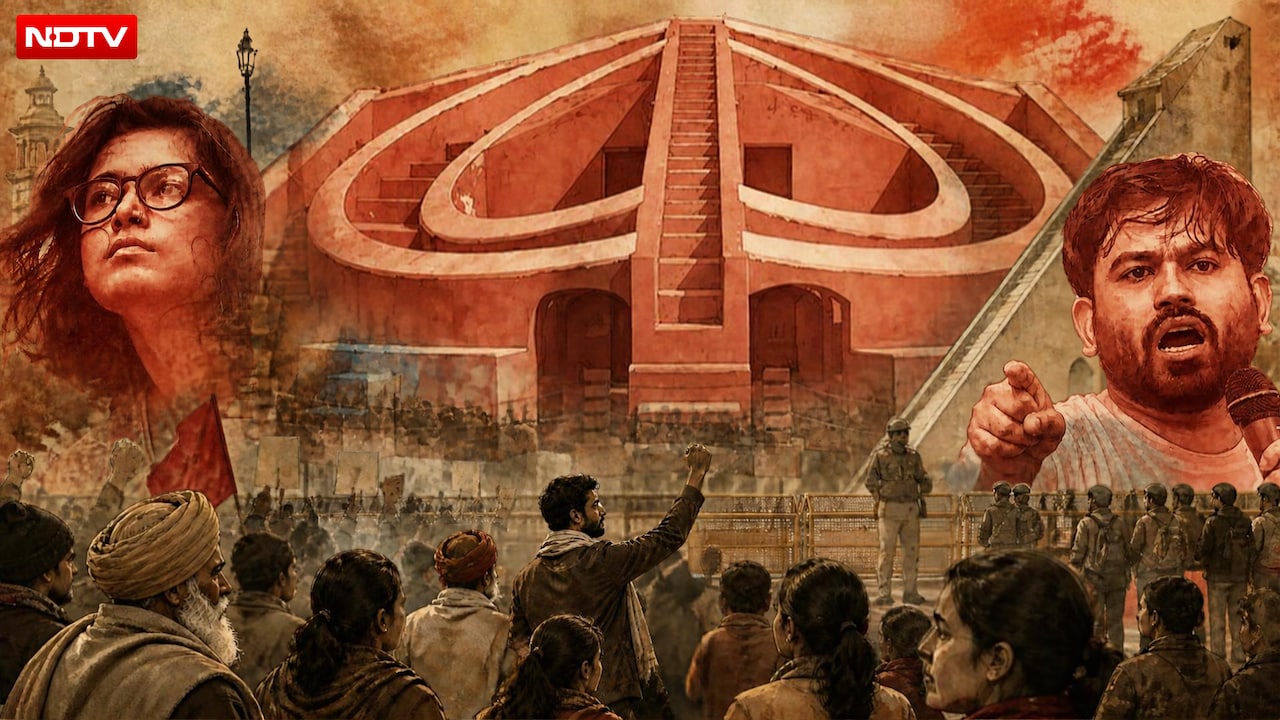
Jantar Mantar, built in 1724, has long served as a beacon for protests in Delhi, attracting voices from all corners of society. However, recent inquiries by the Supreme Court have cast doubt on whether this iconic site can continue to fulfill its role as a hub for democratic expression. As reported by NDTV, the court is questioning the feasibility of Jantar Mantar for protests amidst increasing governmental restrictions, particularly on recent demonstrations led by the Cockroach Janta Party.
The implications of these developments raise critical questions for citizens: What happened to the right to protest freely? Why is the government imposing restrictions on fundamental democratic rights? With the clock ticking on Jantar Mantar's future, who will be held accountable for potentially silencing the voices of ordinary citizens?
As Delhi grapples with these issues, the fate of Jantar Mantar signifies more than just a protest site; it represents the ongoing struggle for social justice and government accountability in India. The need for clarity and action from authorities has never been more pressing, urging citizens to ask: Where do we go from here?
Source: NDTV