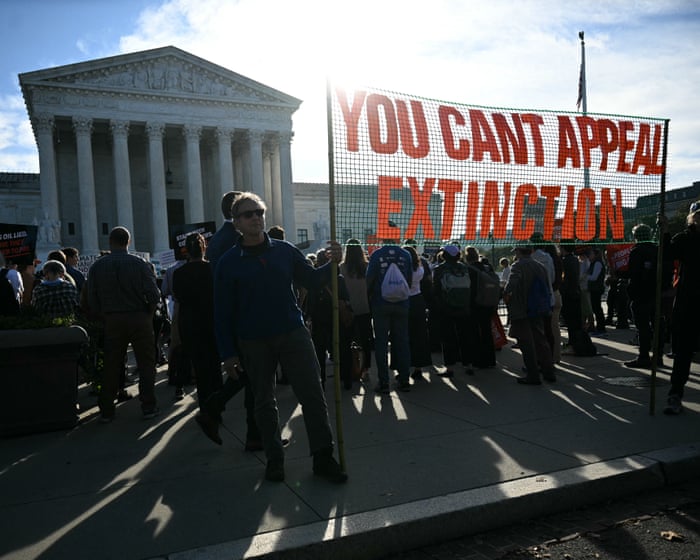
Pentagon's Plan to Livestream Execution of Fort Hood Shooter Sparks Outrage
The UN warns that the Pentagon's plan to livestream the execution of Nidal Hasan could amount to torture, igniting fierce backlash from lawmakers.
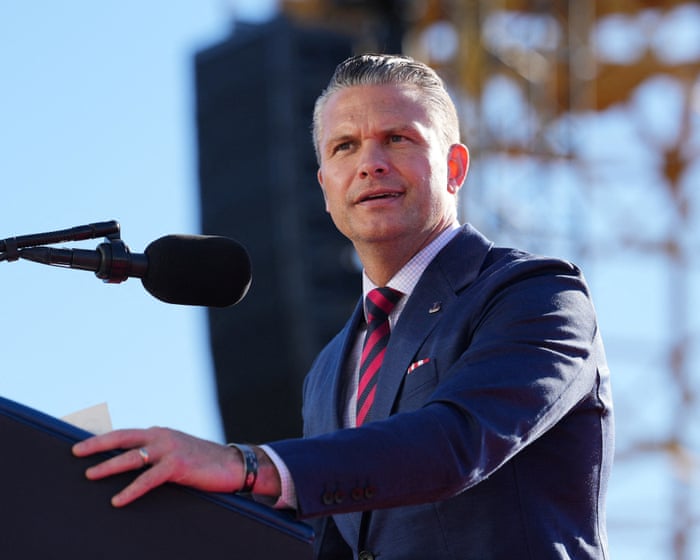
Pentagon's Plan to Livestream Execution of Fort Hood Shooter Sparks Outrage
The Pentagon's controversial decision to livestream the execution of Nidal Hasan, the Fort Hood shooter, has drawn sharp condemnation from multiple lawmakers who have branded the act as 'grotesque'. This marks the first military execution in over six decades, raising serious ethical questions about transparency and morality in capital punishment practices.
Lawmakers have likened the Pentagon's plan to tactics used by oppressive regimes and terror groups, raising alarms about the implications of such a broadcast. In a country where the death penalty is increasingly scrutinized, this plan could represent a troubling intersection of justice and spectacle.
The last military execution took place in 1961, and the methods used then are no longer permissible under current law. As the execution date approaches, citizens are left questioning whether this approach aligns with American values and the commitment to humane treatment.
The UN's stance on this issue highlights the urgent need for accountability and a reevaluation of how the U.S. approaches capital punishment. What was promised to the public? What went wrong in the decision-making process? These are questions that demand answers as the nation grapples with its moral compass.
As reported by The Guardian, the fallout from this decision is far-reaching, highlighting a need for dialogue on the ethics of punishment and the responsibility of government to uphold human rights.
Source: The Guardian US