FBI's Role in Thwarting Minnesota Terror Plot Raises Accountability Concerns
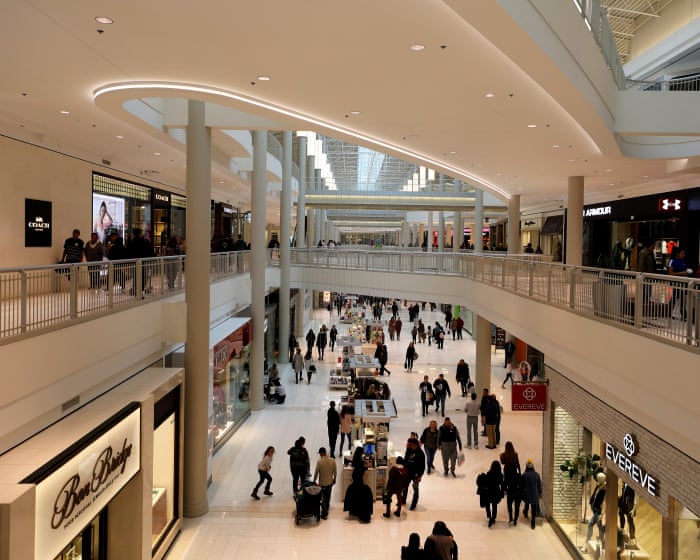
The FBI arrested an 18-year-old who allegedly planned a shooting attack at the Mall of America, but questions linger about the agency's involvement in supplying him with a firearm.
FBI's Role in Thwarting Minnesota Terror Plot Raises Accountability Concerns
In a shocking revelation, the FBI has arrested 18-year-old Sheikhdoon Abdullahi Mohamud for allegedly plotting a terrorist attack on the Mall of America in Bloomington, Minnesota. The arrest, which took place in a public park, raises serious questions about government accountability and oversight in counterterrorism operations.
According to the criminal complaint, Mohamud was under investigation for nearly two years and reportedly paid $600 to an undercover FBI agent posing as a member of the Islamic State for an AK-47 and 200 rounds of ammunition. This begs the question: why was an individual under watch able to procure such a dangerous weapon from an agency meant to prevent such occurrences?
As authorities celebrate the thwarting of what could have been a devastating attack, citizens are left wondering what measures were in place to ensure that such a situation wouldn't escalate in the first place. Why was an alleged terrorist given access to firearms, and what protocols failed to prevent this alarming scenario?
The FBI's actions must be scrutinized to ensure that public safety is prioritized over operational tactics. As reported by The Guardian, the implications of this case extend beyond individual accountability, challenging the very framework of how law enforcement engages with potential threats.
Source: The Guardian US