Execution Gone Wrong: Tennessee's Botched Death Penalty Raises Ethical Questions
Christa Pike's failed execution highlights the cruelty of capital punishment in the U.S., prompting urgent calls for accountability.

Execution Gone Wrong: Tennessee's Botched Death Penalty Raises Ethical Questions
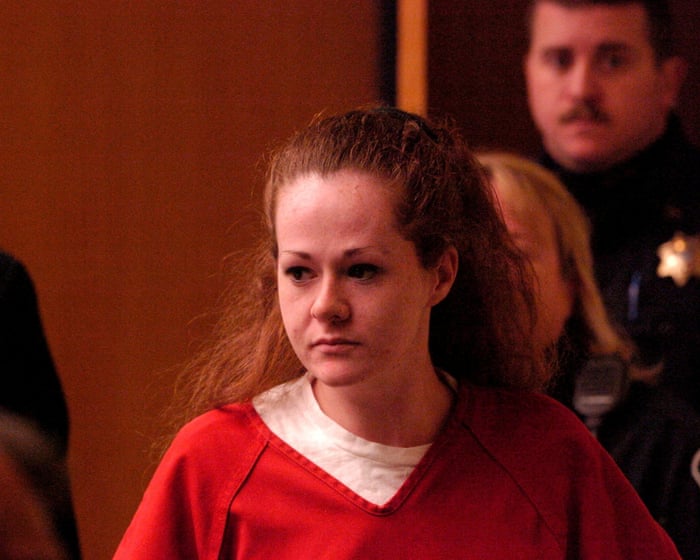
The recent botched execution of Christa Pike in Tennessee has reignited the debate over the death penalty and its ethical implications. Witnesses reported that Pike, who was convicted of brutally murdering a classmate at just 18, was still snoring loudly nearly 40 minutes after receiving lethal injections. This incident marks the second failed execution in a matter of months, prompting Tennessee’s governor to pause all executions while the state reevaluates its methods.
Lethal injection was touted as a humane alternative to more barbaric forms of execution, yet evidence suggests that the process is flawed and often inhumane. With many medical professionals refusing to participate due to ethical concerns, the age and declining health of those on death row further complicate the execution process, potentially leading to more botched attempts.
Critics argue that the death penalty system disproportionately targets marginalized groups, particularly Black men, raising serious questions about fairness and justice. As the U.S. sees a surge in state-sanctioned killings, the need for accountability in how these executions are carried out has never been more urgent. What will it take for lawmakers to reconsider the morality of capital punishment? As reported by The Guardian.
Source: The Guardian US