Opencast Mining: A Ticking Time Bomb for Geological Stability
A new study reveals that opencast mining in Germany may trigger dangerous subsidence and awaken dormant faults, raising urgent questions about regulatory oversight.
Opencast Mining: A Ticking Time Bomb for Geological Stability
Environmental Consequences of Opencast Mining
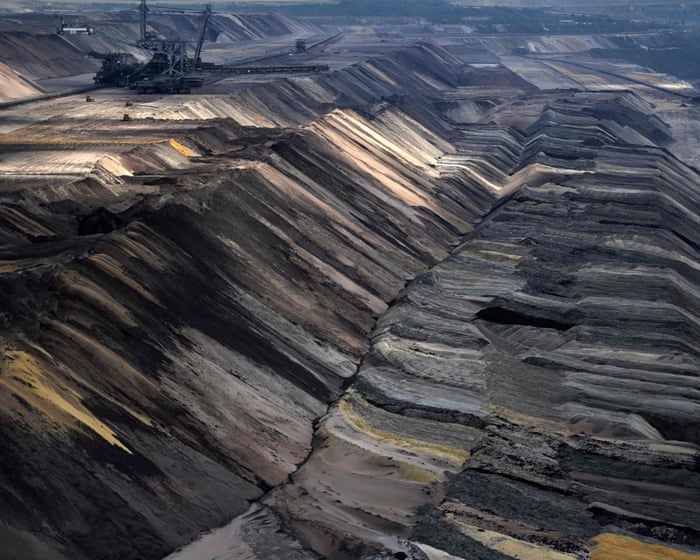
A groundbreaking study has uncovered alarming risks associated with opencast mining, particularly in western Germany's Rhenish coalfields. Researchers from the GFZ Helmholtz Centre for Geosciences in Potsdam found that subsidence caused by groundwater extraction can extend as far as 20 kilometers from the mining site, reactivating dormant geological faults.
While ground subsidence is often linked to underground mining, the implications of opencast operations have been less understood. The findings raise serious questions about government accountability and environmental protection policies in Europe, calling into question what was promised to local communities and who is responsible for these geological threats.
As reported by The Guardian, the study utilized satellite data and geological field measurements, highlighting the urgent need for stricter regulations and oversight in the mining industry to protect both the environment and public safety.
Source: The Guardian