Sweden's Political Shift: A Retreat from Openness or a Loss of Identity?
As Sweden's political landscape changes, citizens question the implications of increased border controls and restrictive migration policies.
Sweden's Political Shift: A Retreat from Openness or a Loss of Identity?
A Nation at a Crossroads
Sweden's recent political shift raises urgent questions about accountability and the future of its values. Responding to Martin Gelin's critique of this transformation, citizens like Alvin Engström and Jean Fridh argue that the retreat from liberal internationalism is not uniquely Swedish but part of a broader European trend.
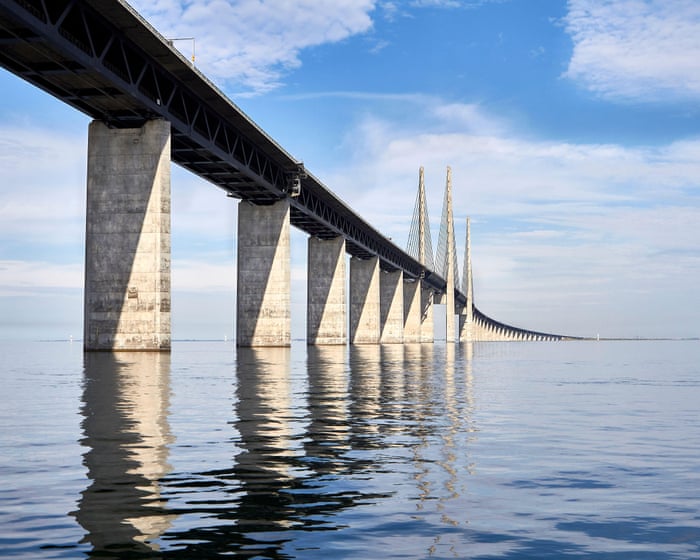
The introduction of border controls with Denmark has disrupted the Öresund region, once characterized by seamless movement and cooperation. Engström, who grew up in Malmö, highlights the tangible impact of these changes on everyday life, prompting questions about government promises of openness and inclusivity.
As reported by The Guardian, the change mirrors a wider adoption of restrictive migration policies across Europe, reminiscent of Angela Merkel's stance during the refugee crisis. This trend raises significant concerns: What does this mean for Sweden's commitment to social justice and the rights of migrants? Who is accountable for this shift in national identity, and how will it affect the lives of ordinary citizens? The answers remain crucial as Swedes navigate their evolving political landscape.
Source: The Guardian