US Drug War Escalates: Rubio's Unilateral Strikes Raise Accountability Questions
As three lives are lost in a recent boat strike, questions arise about the US's approach to drug trafficking in Latin America.
US Drug War Escalates: Rubio's Unilateral Strikes Raise Accountability Questions
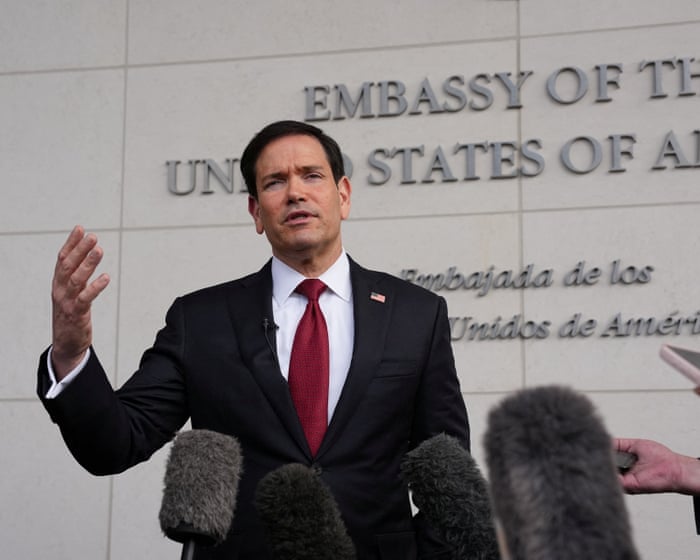
In a recent visit to Ecuador, US Secretary of State Marco Rubio unveiled a controversial shift in the country's strategy against drug trafficking. The Trump administration is now emphasizing collaboration with allied nations but maintains a readiness to conduct unilateral military strikes against alleged 'narco-terrorists'. This approach raises pressing questions about accountability and the consequences of such actions, especially following a campaign of deadly strikes that have reportedly resulted in civilian casualties.
Unilateral Strikes and Their Consequences
Rubio's statements come in the wake of a deadly incident that left three individuals dead in international waters. This incident underscores the potential ramifications of the US's aggressive tactics. What assurances are being made to prevent further loss of innocent lives? Critics argue that the strategy could lead to increased instability in the region, as well as challenges in maintaining diplomatic relations with Latin American countries.
As the US continues to engage in military actions, the question remains: who is truly accountable for the outcomes of these strikes? The shift in focus towards cooperation with allies may not be enough to mitigate the risks associated with unilateral military interventions, and the ongoing campaign raises serious concerns about the ethics of such operations, especially given the toll on civilian populations. As reported by The Guardian, the implications of this strategy are profound and warrant a thorough examination of its effectiveness and moral standing.
Source: The Guardian US