Mistrial in Lindsay Clancy Case: Juror's Arrogance Fuels Controversy
The trial of Lindsay Clancy ended in a mistrial as a juror expressed doubt but refused to acquit, raising serious questions about the justice system's handling of mental health cases.
Mistrial in Lindsay Clancy Case: Juror's Arrogance Fuels Controversy
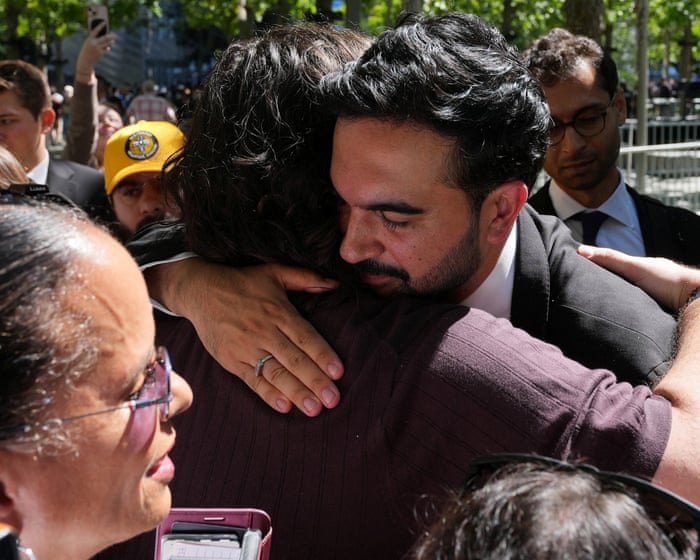
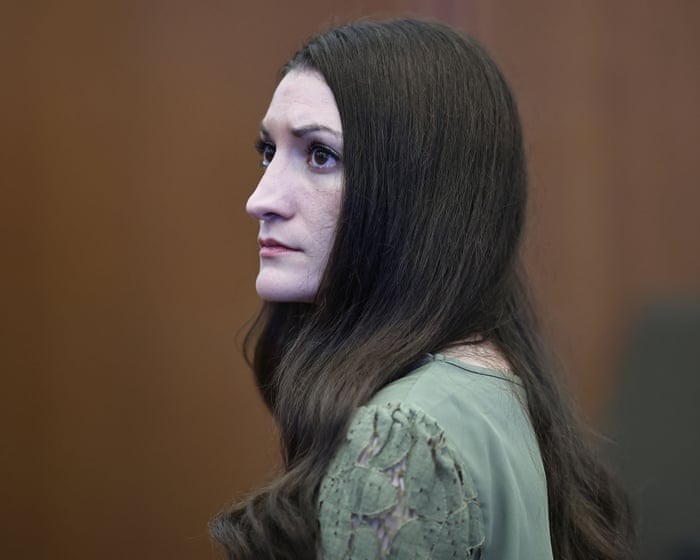
In a shocking turn of events, the trial of Lindsay Clancy, a Massachusetts mother accused of murdering her three children, concluded in a mistrial, with a lone juror refusing to acquit despite expressing reasonable doubt about her guilt. Roni Carlson, the jury's foreperson, revealed in an interview that this holdout juror remained steadfast in their position, citing concerns about Clancy's mental state.
This situation raises critical questions about accountability within our judicial system. Why did one juror's stance dominate the decision-making process, and what does this say about the understanding of mental health issues among jurors? The implications of such a mistrial extend beyond Clancy's case, highlighting the urgent need for greater awareness and training in handling cases involving mental health.
As reported by The Guardian, the fallout from this trial demands a closer examination of how jurors are selected and educated about the complexities of mental health in legal contexts. Citizens deserve a justice system that not only seeks to punish but also understands and addresses the underlying issues at play, particularly in cases involving vulnerable individuals like Clancy.
Source: The Guardian US