Tyson Foods Closes Beef Plants: Who Will Pay the Price?
Tyson Foods shuts down two beef facilities, impacting hundreds of workers as cattle supply plummets. What does this mean for consumers?
Tyson Foods Closes Beef Plants: Who Will Pay the Price?
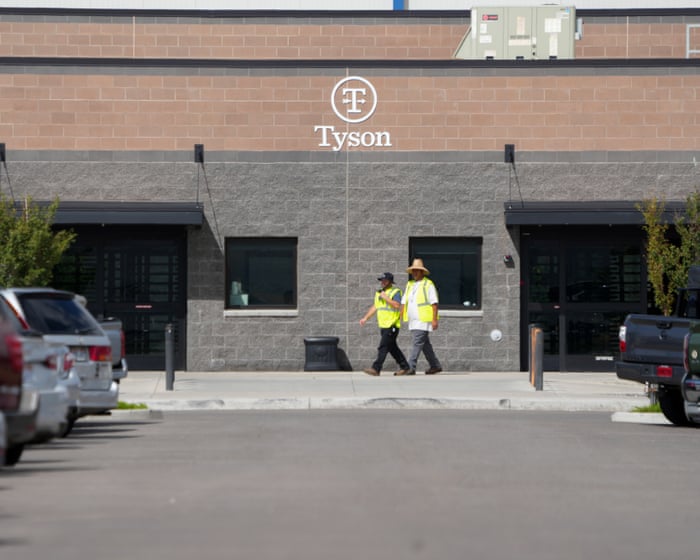
Tyson Foods, the largest meatpacking company in the United States, has announced the closure of two beef processing plants in Iowa and Utah, alongside the sale of another facility in Washington state. This drastic move has left hundreds of workers facing layoffs amid a historic cattle shortage that hasn't been seen in 75 years.
The shortage stems from a multi-year drought, escalating costs, and a wave of consolidation among cattle ranchers, all contributing to surging beef prices. While economists suggest that these plant closures may not heavily impact consumer prices in the short term, the question remains: who is truly accountable for these rising costs and the economic strain on American families?
As Tyson shifts its operations, the burden of increased grocery bills continues to weigh on consumers. The closures highlight not only the vulnerabilities within the meat supply chain but also the need for greater oversight and accountability in the agricultural sector. This situation prompts urgent questions about how corporations like Tyson manage their operations and the welfare of their employees and consumers alike. As reported by The Guardian, the implications of these decisions extend far beyond the boardroom, affecting the livelihoods of workers and the wallets of families across the nation.
Source: The Guardian US