Tibetans Stand Firm Against China's 'Unity' Law to Preserve Language and Culture
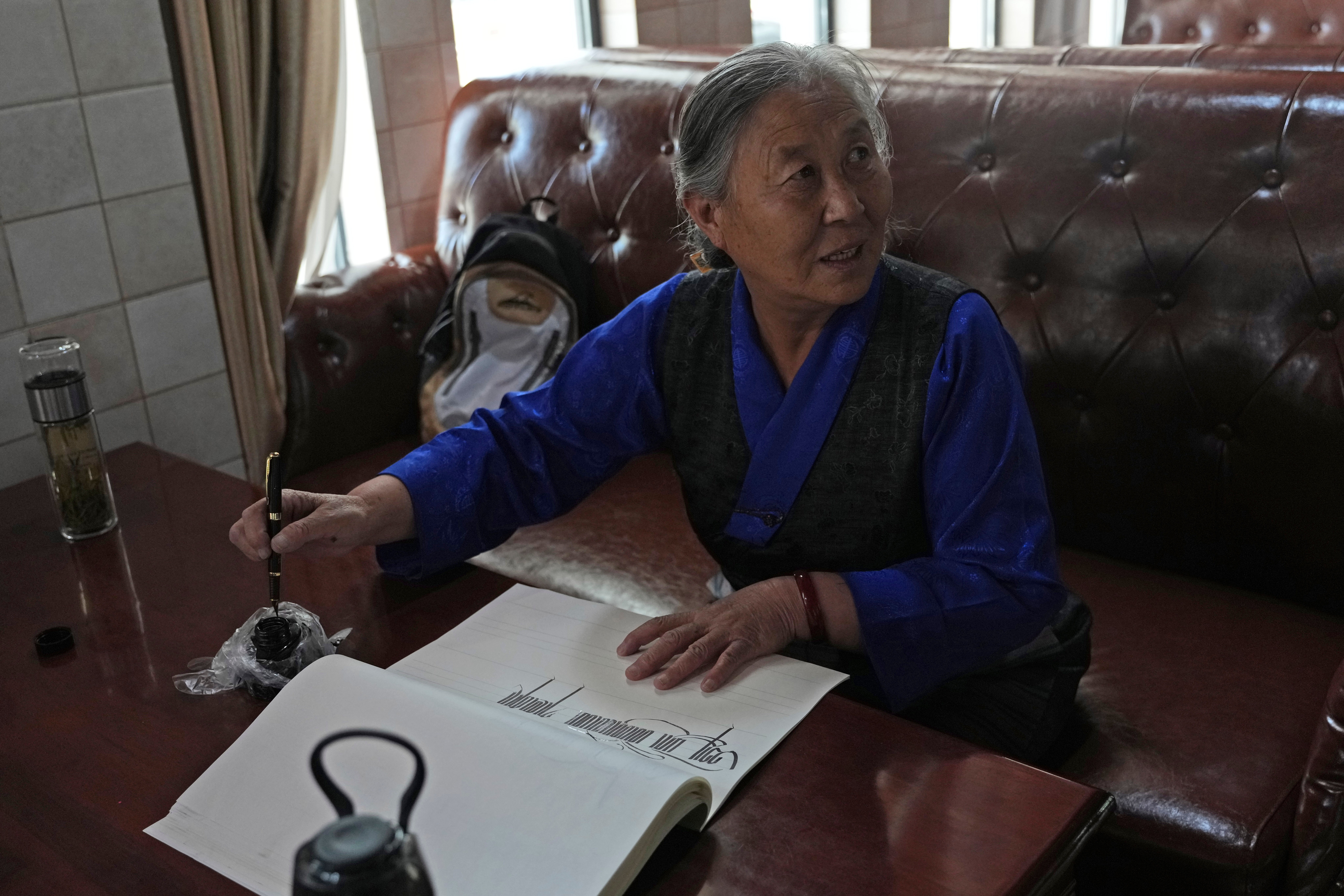
As a 73-year-old nurse embraces Tibetan language, many fight to retain their cultural identity amid oppressive policies.
Tibetans Stand Firm Against China's 'Unity' Law to Preserve Language and Culture
In the face of China's new 'unity' law, which aims to suppress regional identities, Tibetans are pushing back to preserve their language and culture. A poignant example is a 73-year-old retired nurse who has taken it upon herself to learn to write in Tibetan, showcasing the resilience of cultural identity in the region.
The law has raised concerns about the erosion of Tibetan heritage, as many fear that their language will be further marginalized. This situation prompts critical questions: What commitments has the Chinese government made to protect minority cultures, and why are these promises being overlooked?
As reported by NPR, the struggle of this community highlights a broader issue of government accountability and the rights of minorities in China. The efforts of individuals like the retired nurse serve as a beacon of hope, but will it be enough to counteract the forces of cultural assimilation? The fight for language and identity continues amidst growing pressures from the state.
Source: NPR