ICIndian Cockroach
  • Home
  • About
  • Editorial Policy
  • Fact Check
  • Contact
Edition🇺🇸USA🇪🇺Europe🇮🇳India
  • Home
  • About
  • Editorial Policy
  • Fact Check
  • Contact
ICIndian CockroachOf the People, By the People, For the People.

Indian Cockroach is an independent digital news platform covering social issues, government accountability, public welfare, the Constitution of India, agriculture, education, economy, technology and the environment — strengthening constitutional values and democratic discussion.

Organisation

  • About Us
  • Contact
  • Editorial Policy
  • Corrections Policy

Trust & Transparency

  • Fact Check Policy
  • Disclaimer
  • Accessibility
  • RSS Feed

Legal

  • Privacy Policy
  • Cookie Policy
  • Terms of Use
  • Sitemap

© 2026 Indian Cockroach Media. All rights reserved.

Of the People, By the People, For the People.

  1. Home
  2. United States News
  3. Omaha's Lead Crisis: A Tale of Unequal Cleanups and Broken Promises
Public Welfare

Omaha's Lead Crisis: A Tale of Unequal Cleanups and Broken Promises

While some yards in Omaha receive lead contamination cleanups, others are left neglected. Who decides which families get help, and why are others ignored?

Indian Cockroach Desk5 August 2026, 2:48 pm IST1 min read
Source:ProPublica
Omaha's Lead Crisis: A Tale of Unequal Cleanups and Broken Promises

Omaha's Lead Crisis: A Tale of Unequal Cleanups and Broken Promises

Share

Share this story

Unequal Cleanups in Omaha

Omaha is grappling with a serious lead contamination issue, yet the city’s cleanup efforts appear inconsistent and arbitrary. Residents are left questioning why some yards are prioritized for cleanup while others, equally at risk, remain untouched. This disparity raises urgent questions about accountability and the city’s commitment to public health.

As reported by ProPublica, the Environmental Protection Agency (EPA) has designated certain areas for lead cleanup, but the criteria for these decisions remain unclear. Families are left wondering: What standards are being used? Why are some neighborhoods left in jeopardy while others receive assistance? The lack of transparency from local authorities is alarming and could signify negligence in protecting community health.

The ongoing lead contamination crisis in Omaha highlights a troubling pattern of inequality in public welfare initiatives. It’s imperative that city officials address these inequities and ensure that all residents are treated fairly in the face of a serious health threat. The community deserves clear answers and immediate action.

Source: ProPublica

#lead-contamination#omaha#epa#public-health#inequality

Related Stories

CDC Expands Cyclosporiasis Outbreak Investigation to 15 States Amid Deaths
Public Welfare

CDC Expands Cyclosporiasis Outbreak Investigation to 15 States Amid Deaths

The CDC has broadened its investigation of a cyclosporiasis outbreak linked to two deaths in Michigan, now affecting 15 states.

Indian Cockroach Desk•3 minutes ago•1 min read•via The Guardian US
Read More →
AIC
Public Welfare

Appalachia's Black Lung Crisis: Miners Face Deadly Dust as Protections Fail

Black lung disease rates in Appalachia are at their highest in nearly 50 years, raising alarm for miners' health and safety as protections lag behind.

Indian Cockroach Desk•4 minutes ago•1 min read•via NPR
Read More →
UK Minister Weighs Public Inquiry into Epstein's Dark Legacy
Public Welfare

UK Minister Weighs Public Inquiry into Epstein's Dark Legacy

Minister Alex Davies-Jones reveals a potential inquiry into Jeffrey Epstein's UK activities, with the Prime Minister set to meet victims.

Indian Cockroach Desk•4 minutes ago•1 min read•via The Guardian US
Read More →

More from United States

All United States news →
Demand for Patriot Missiles Surges as Threats Escalate Globally
National Issues

Demand for Patriot Missiles Surges as Threats Escalate Globally

With rising missile attacks from Russia and Iran, the U.S. struggles to meet global demand for Patriot interceptors, raising urgent questions about defense preparedness.

Indian Cockroach Desk•3 minutes ago•1 min read•via NPR
Read More →
Is Democracy at Risk? The Need for Global AI Regulation Grows
Public Policy

Is Democracy at Risk? The Need for Global AI Regulation Grows

As AI technology evolves, the call for robust global regulations intensifies, highlighting the need for responsible leadership in the U.S.

Indian Cockroach Desk•3 minutes ago•1 min read•via The Guardian US
Read More →
Justice Department's Shocking Dismissal of January 6 Cases Raises Accountability Questions
Government Accountability

Justice Department's Shocking Dismissal of January 6 Cases Raises Accountability Questions

A US judge has vacated the convictions of Oath Keepers involved in the Capitol attack, sparking outrage and concern over accountability.

Indian Cockroach Desk•3 minutes ago•1 min read•via The Guardian US
Read More →
Wesley Bell Triumphs in St. Louis Primary, Dashing Cori Bush's Comeback Dreams
Government Accountability

Wesley Bell Triumphs in St. Louis Primary, Dashing Cori Bush's Comeback Dreams

Wesley Bell's victory in the St. Louis primary stifles Cori Bush's resurgence and raises questions about pro-Palestinian representation in Congress.

Indian Cockroach Desk•4 minutes ago•1 min read•via The Guardian US
Read More →
Michigan Senate Primary: El-Sayed Holds Slim Edge Amid Uncertainty
Government Accountability

Michigan Senate Primary: El-Sayed Holds Slim Edge Amid Uncertainty

In a tight race for the Democratic Senate nomination in Michigan, Abdul El-Sayed leads Haley Stevens, but results may not be finalized until Wednesday.

Indian Cockroach Desk•4 minutes ago•1 min read•via The Guardian US
Read More →
FDA's 'Lower Risk' Nicotine Pouches: A Dangerous Gamble for Young Smokers?
Public Welfare

FDA's 'Lower Risk' Nicotine Pouches: A Dangerous Gamble for Young Smokers?

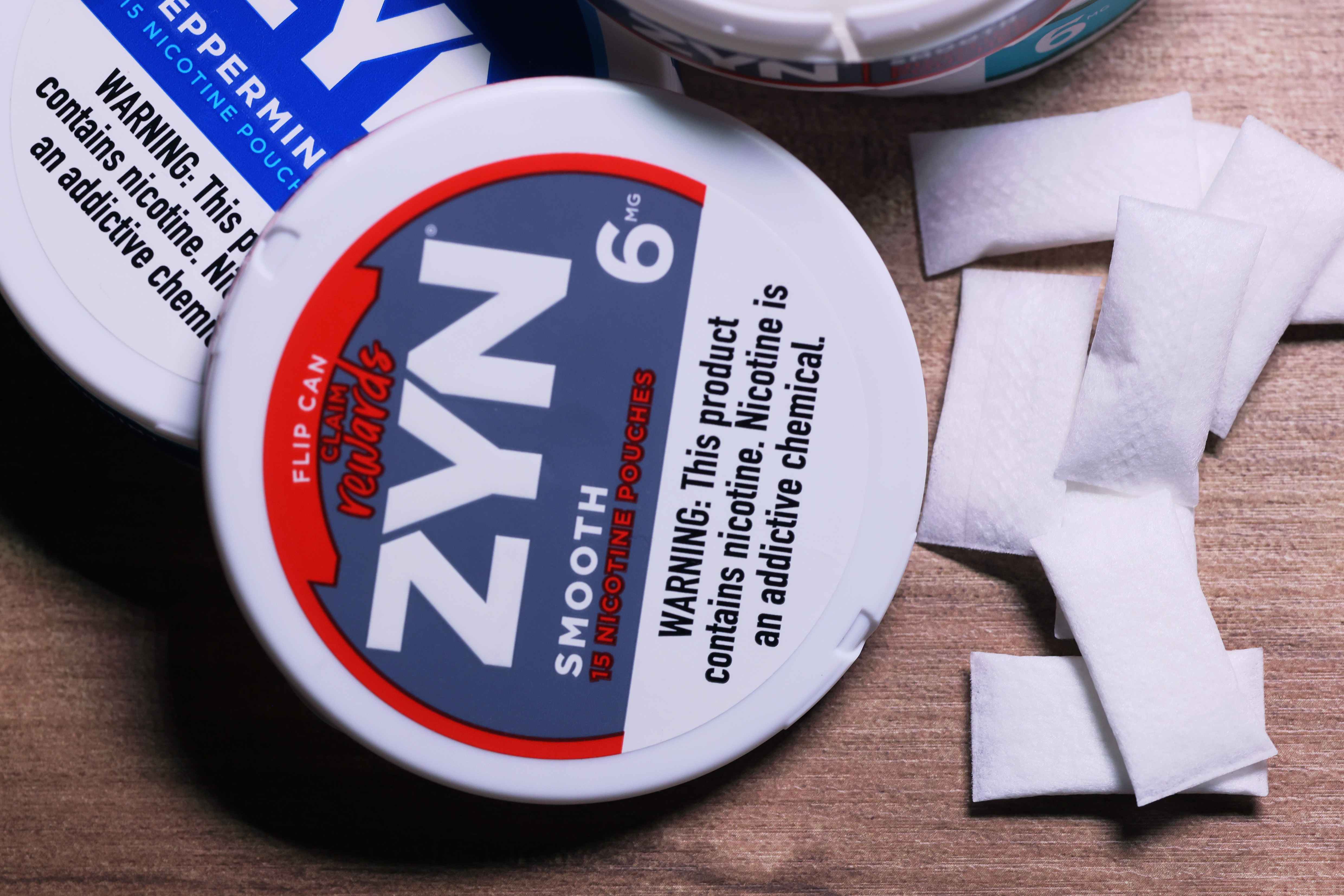
The FDA's approval of Zyn nicotine pouches as 'lower risk' raises concerns about youth addiction, despite potential benefits for current smokers.

Indian Cockroach Desk•4 minutes ago•1 min read•via NPR
Read More →