EU's Russian Gas Deal: A Question of Accountability Amid Sanctions
A new agreement among EU countries addresses shipping Russian gas, but raises questions about accountability and the effectiveness of sanctions.
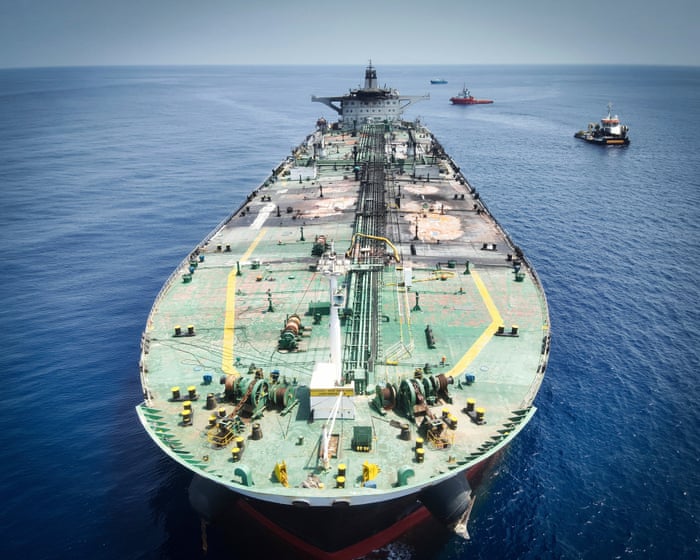
The European Union has reached a contentious agreement that allows for the shipping of Russian gas to third countries, effectively unlocking a package of sanctions against Russia. This deal reportedly freezes the price cap on Russian crude oil for a period of 12 months, a move that has many questioning the EU's commitment to curbing reliance on Russian energy.
What Does This Mean for Accountability?
As the EU attempts to navigate the complexities of energy supply and geopolitical tensions, citizens are left wondering: What was promised in terms of reduced dependence on Russian resources? And who is truly accountable for ensuring that sanctions have a tangible impact?
Critics argue that this agreement could undermine the very sanctions designed to penalize Russia. The implications for ordinary citizens—especially those who have been advocating for a stronger stance against aggression—are significant. Will this deal serve to protect interests over principles?
As reported by Politico Europe, the agreement raises crucial questions about the effectiveness of the EU's strategy against Russia and the potential consequences for both economic and social justice across the continent.
Source: POLITICO Europe